The different technologies
The different technology options for decarbonising heat, including examples of where they are most suitable
ALPHA
Overview
Aim: Understanding the categories that we recommend using in clean heat planning when mapping and planning, to ensure the right technology is assigned to properties.
Why this is important: These categories have been developed through conversations with the supply chain. These categories look to give certainty on the types of technology that will be deployed to allow for focused delivery conversations and decisions, while acknowledging the complexity of clean heat and giving the flexibility for a range of solutions to be considered when working through delivery plans.

The groups of technology that we have developed are still being tested. They are liable to alter slightly as we learn more through testing with places around Great Britain during spring 2026.
If you have any feedback on the categories of technology below then please contact us at cleanheatneighbourhoods@nesta.org.uk
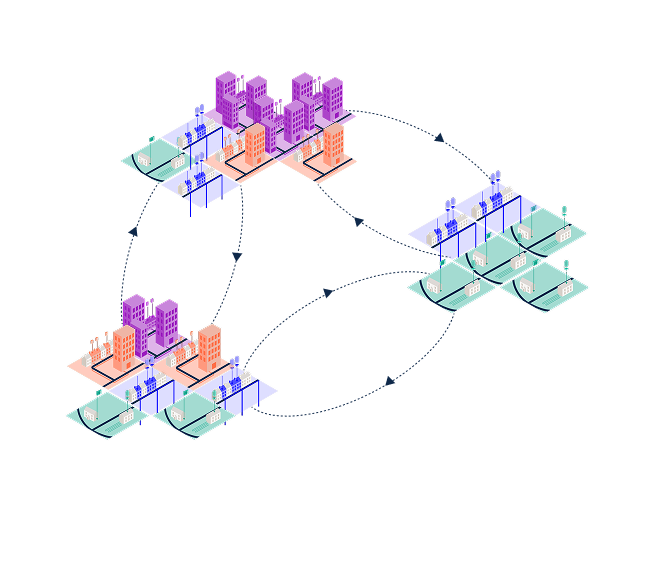
1. Individual heat sources
Where each property has a standalone heat source(s), not reliant on any communal infrastructure, other than a connection to the electric grid.
Example technologies
Air source heat pump (ASHP), air-to-air (A2A), ground source heat pump (GSHP)
Most suitable for
Properties with outdoor space which can accommodate an outdoor unit, and properties already off the gas grid.

2. Networked heat pumps
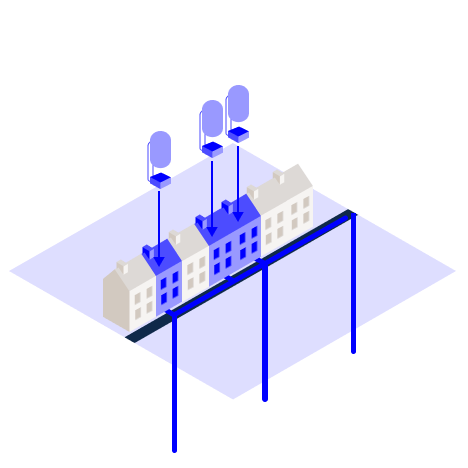
A series of networked boreholes, sometimes sited in roads or open ground, that are connected to an individual ground source heat pump in each property. The ground source heat pump is a similar size to a boiler and hot water tank is required. They require no outdoor space.
As they are well suited to a very particular context they have a technology group of their own.
Example technologies
Networked ground source heat pumps also known as shared ground loops
Most suitable for
Dense properties with little to no private outdoor space. Properties that are listed buildings, or in a conservation area, may be more suitable for this approach due to the lack of changes to the built environment.
Case study
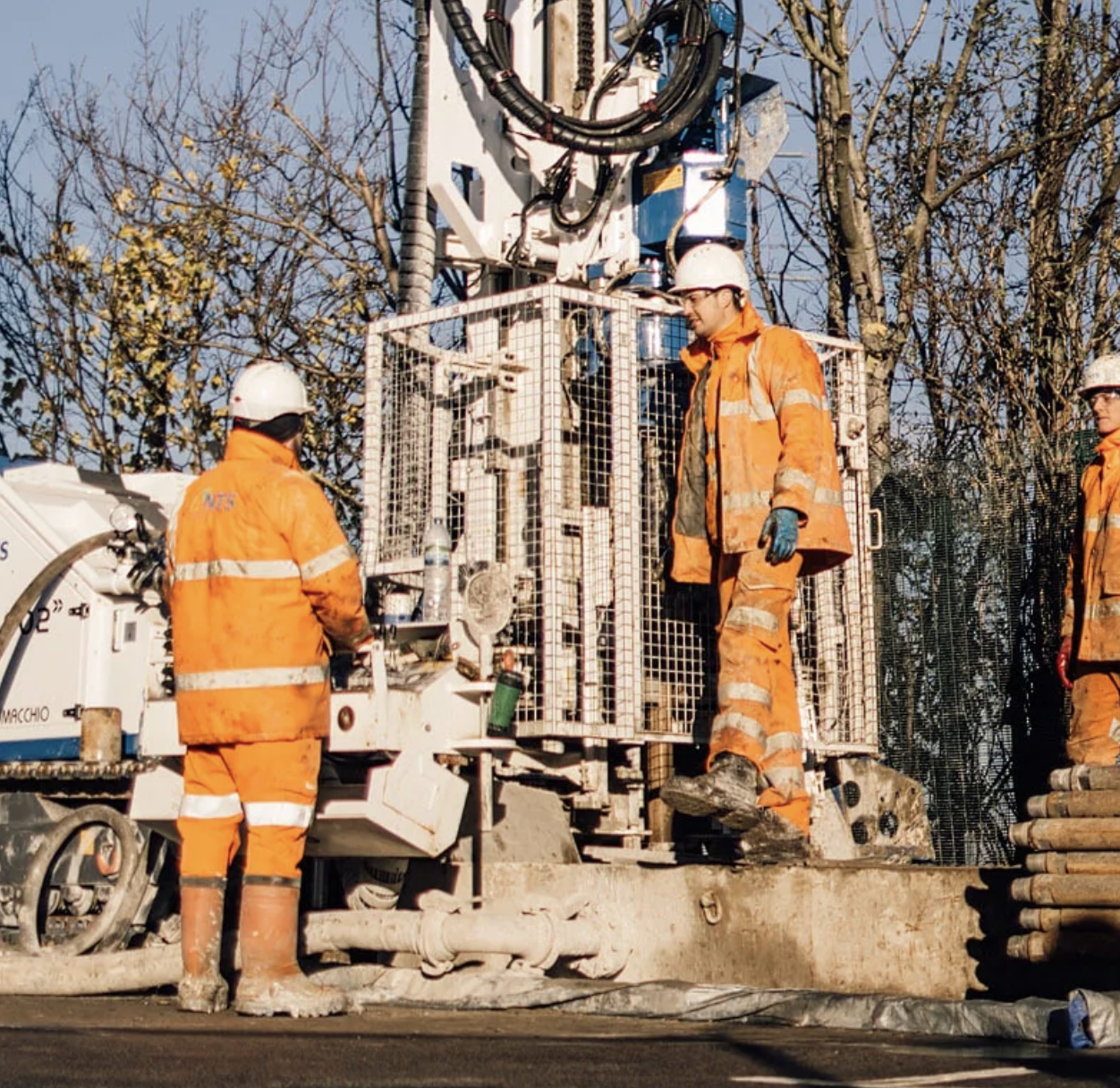
Thurrock Council secured £3.2 million from the Social Housing Decarbonisation Fund to retrofit three tower blocks with networked ground source heat pumps, replacing inefficient night storage heaters. Kensa installed 109 boreholes and nearly 30 km of drilling beneath the car park. The project won 'Energy Project of the Year – Social Housing' at the Energy Awards 2024.
Read full case study >
3. Communal heat sources
A large singular heat source, or networked ground source heat pump (GSHP), providing heat to multiple dwellings. These types of solutions are sometimes called a communal heat network.
The inclusion of networked GSHP and singular heat sources in this category is to recognise that both may be suitable and the decision between which solution is preferred may come down to the characteristics of the properties and the commercial model used to deliver.
Example technologies
Communal ASHP, combined heat and energy centre and networked GSHP
Most suitable for
Dense properties with little or no private outdoor space, with an existing communal heating system, room for a plant room or an outdoor communal heating source, or those near waste heat sources.

4. District heat networks
A network where heat is generated at a single central location. This heat is then distributed to various customers through insulated underground pipes filled with hot water. These networks are scalable and can be designed to serve a small group of buildings with a high heat demand or expanded to provide warmth for an entire city.
Example technologies
Networks powered by waste heat sources, industrial or large-scale heat pumps
Most suitable for
Dense properties with little or no outdoor space, with an existing communal heating system. Most suitable for city areas with a mixture of commercial, public and private buildings.

Case study
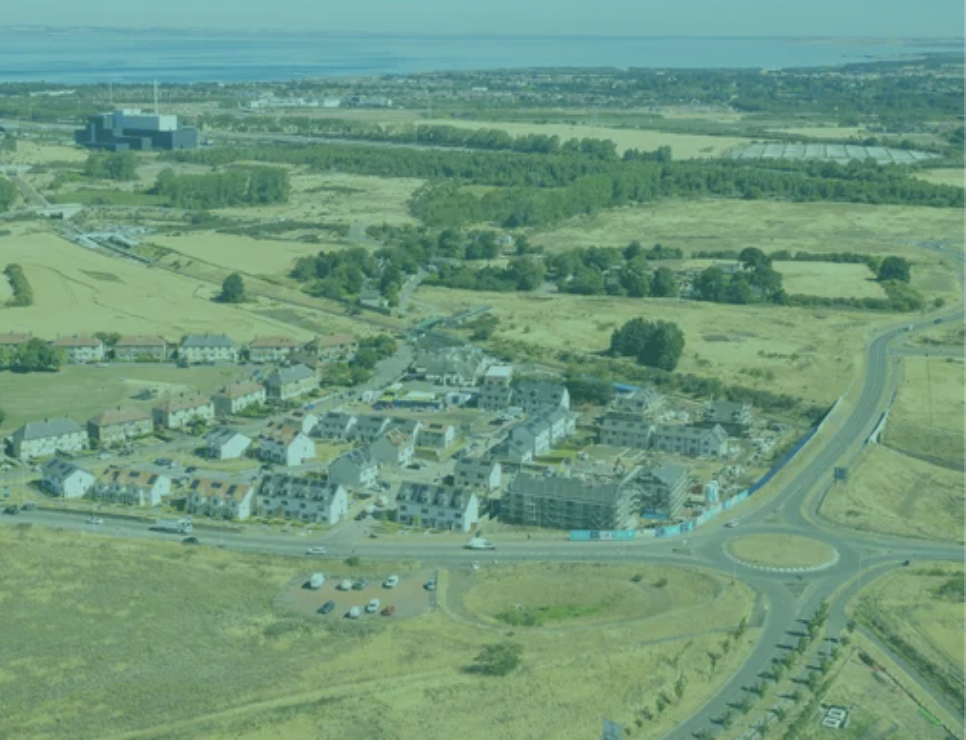
Midlothian Council and Vattenfall formed a 50/50 joint venture to deliver a heat network to 3,500+ new homes in Shawfair Town, powered by surplus heat from a nearby waste recovery centre. £7.3 million in public funding unlocked £40 million in private investment, with the capacity to eventually serve 10,000 homes.
Read full case study >
Sign up to hear more
We are a building a network of areas, suppliers and community groups interested and working across low-carbon heat.
Sign up here if you would like to be notified about updates and opportunities to collaborate.